Timing Pulley: The Ultimate Guide for Precision Power Transmission
In the world of mechanical power transmission, timing pulleys play a critical role in ensuring synchronized movement and efficient torque transfer. With decades of expertise in the industry, we delve deep into the specifics of timing pulleys, providing you with comprehensive details on product parameters, applications, and common queries. This guide is designed to meet the needs of engineers, designers, and enthusiasts seeking reliable information for their projects.
Product Parameters of Timing Pulleys
Timing pulleys are characterized by several key parameters that define their performance and compatibility. Below is a detailed breakdown in list and table formats for clarity.
Key Parameters Listed:
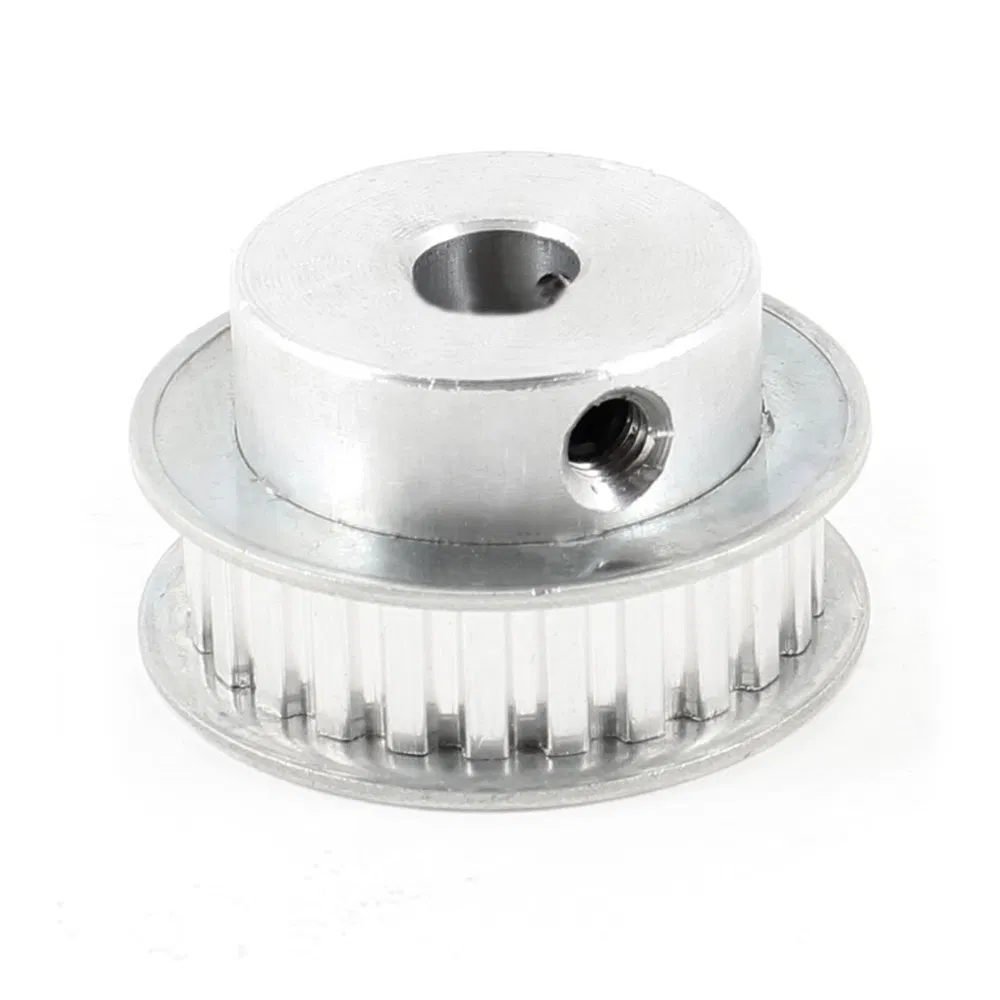
- Pitch: The distance between the centers of two adjacent teeth, measured in inches or millimeters (e.g., 5mm, 8mm, or 0.5 inches).
- Number of Teeth: Determines the speed ratio and torque transmission; common counts range from 10 to 120 teeth.
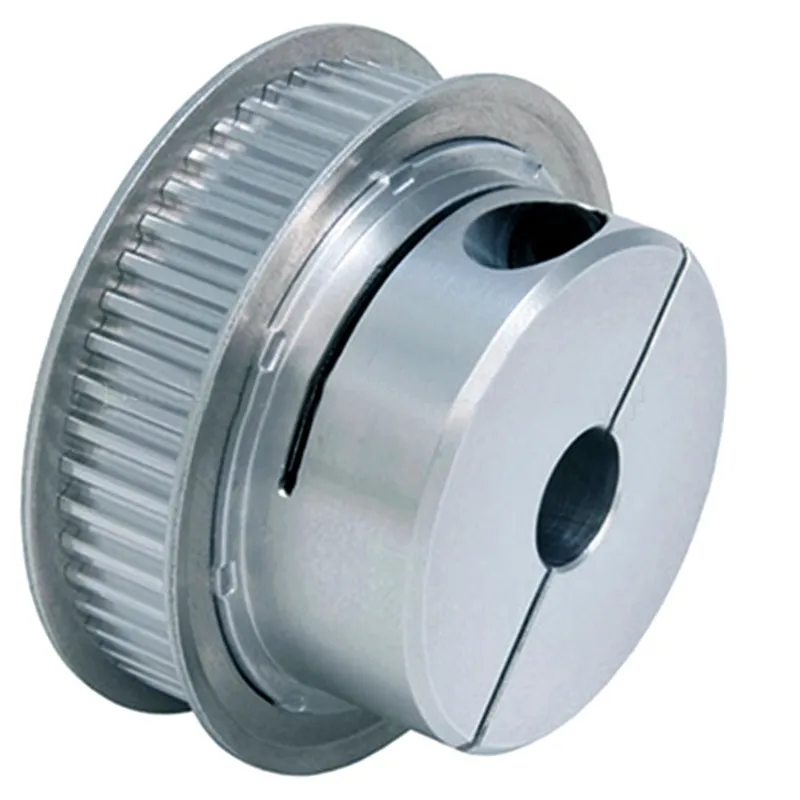
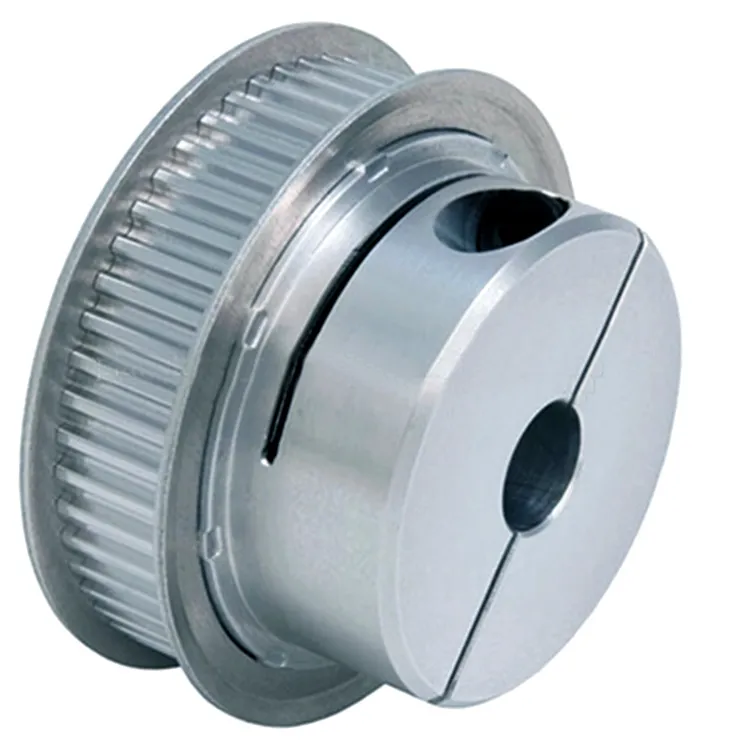
- Bore Size: The inner diameter where the pulley mounts onto the shaft, typically specified in millimeters or inches.
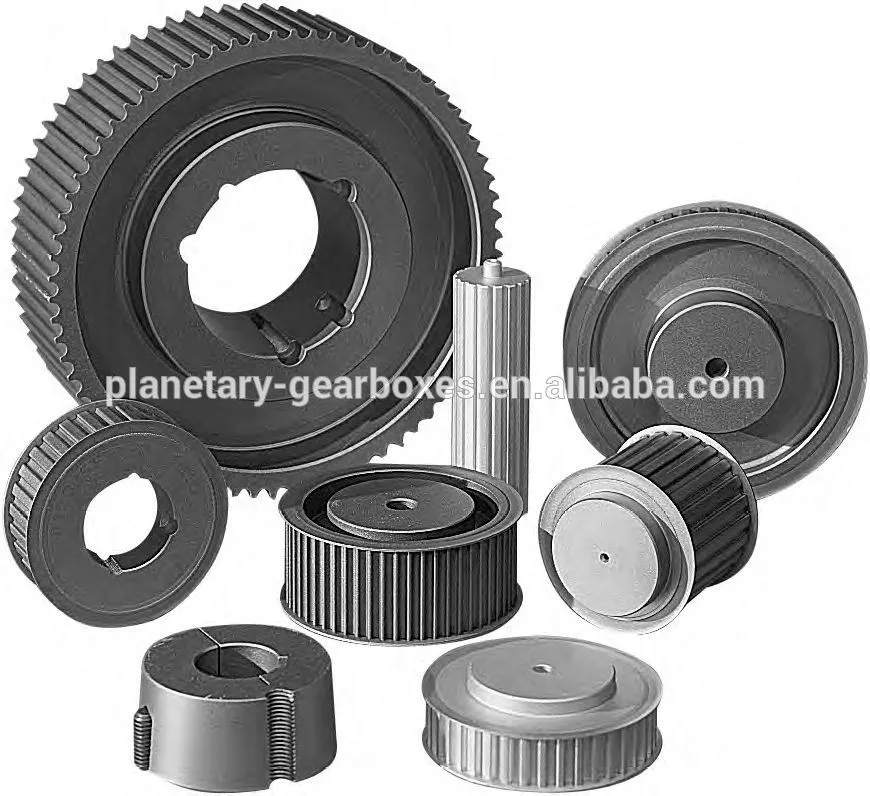
- Material: Options include aluminum, steel, plastic, or stainless steel, each offering different strength and corrosion resistance.
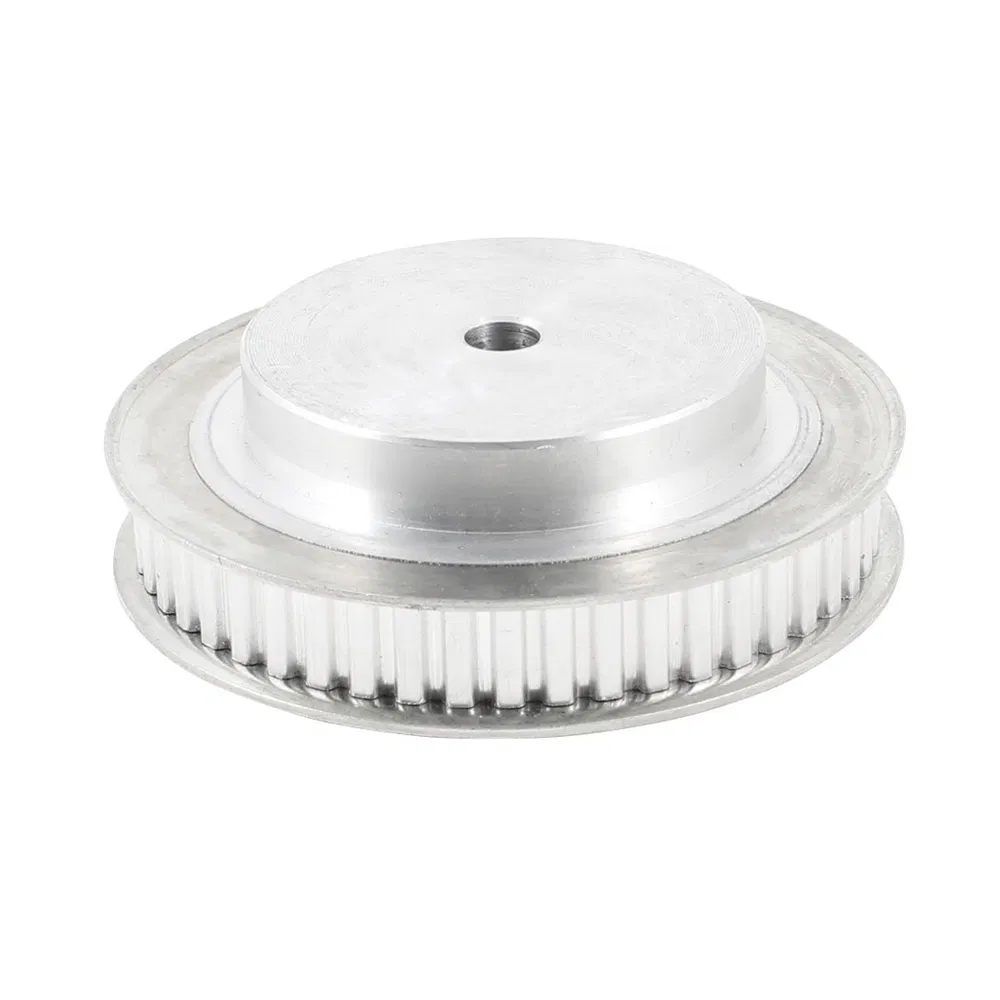
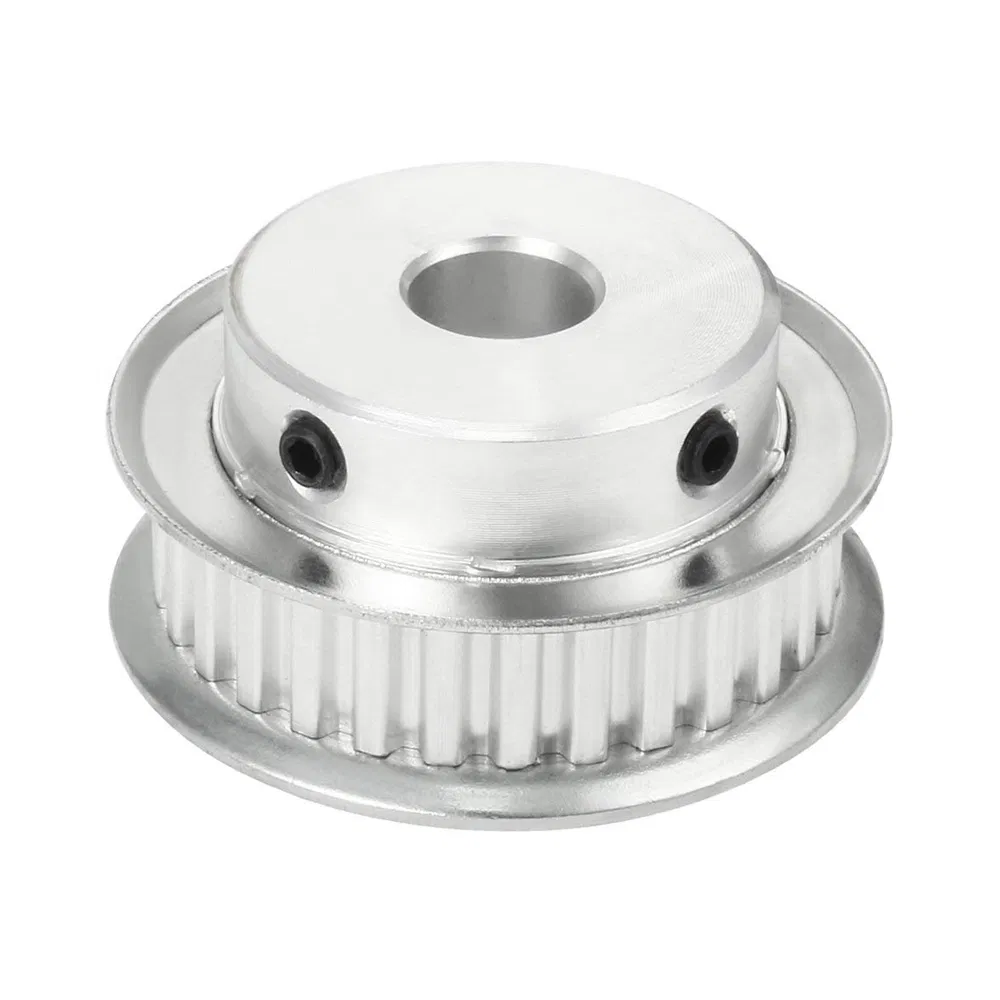
- Flange Type: Can be flanged or non-flanged to prevent belt slippage.
- Belt Compatibility: Designed to work with specific timing belts, such as HTD, GT2, or MXL profiles.
Table of Common Timing Pulley Specifications:
| Parameter | Typical Values | Description |
|--------------------|-----------------------------------------|-----------------------------------------------------------------------------|
| Pitch | 2mm, 3mm, 5mm, 8mm, 14mm, etc. | Distance between tooth centers; affects speed and torque. |
| Number of Teeth | 10, 20, 30, 40, 60, 80, 100, 120 | Influences the gear ratio and smooth operation. |
| Bore Size | 5mm, 6mm, 8mm, 10mm, 1/4", 3/8", 1/2" | Must match the shaft diameter for secure mounting. |
| Material | Aluminum, Steel, Plastic, Stainless | Aluminum is lightweight; steel offers durability; plastic reduces noise. |
| Flange Presence | Yes (flanged) or No (non-flanged) | Flanges help retain the belt in place during operation. |
| Weight | Varies by size and material (e.g., 50g to 500g) | Important for applications requiring low inertia. |
Applications of Timing Pulleys
Timing pulleys are widely used in various industries due to their precision and reliability. Common applications include:
- Robotics: For accurate joint movement and positioning.
- CNC Machines: Ensuring synchronized motion in axes.
- Automotive Systems: In timing belts for engine camshafts.
- Conveyor Systems: For consistent material handling.
- 3D Printers: Providing precise filament extrusion control.
Each application benefits from the specific parameters outlined above, allowing for customization based on load, speed, and environmental conditions.
FAQ Section: Common Questions About Timing Pulleys
What is a timing pulley?
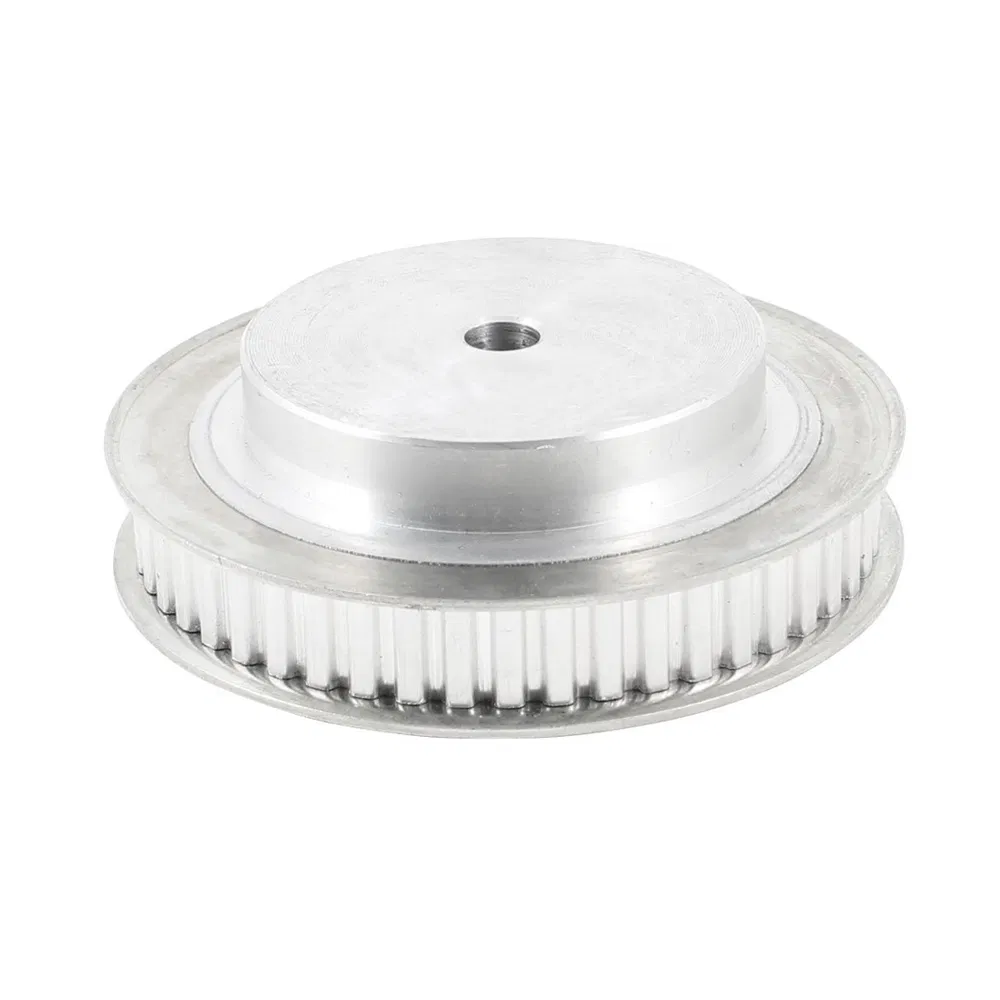
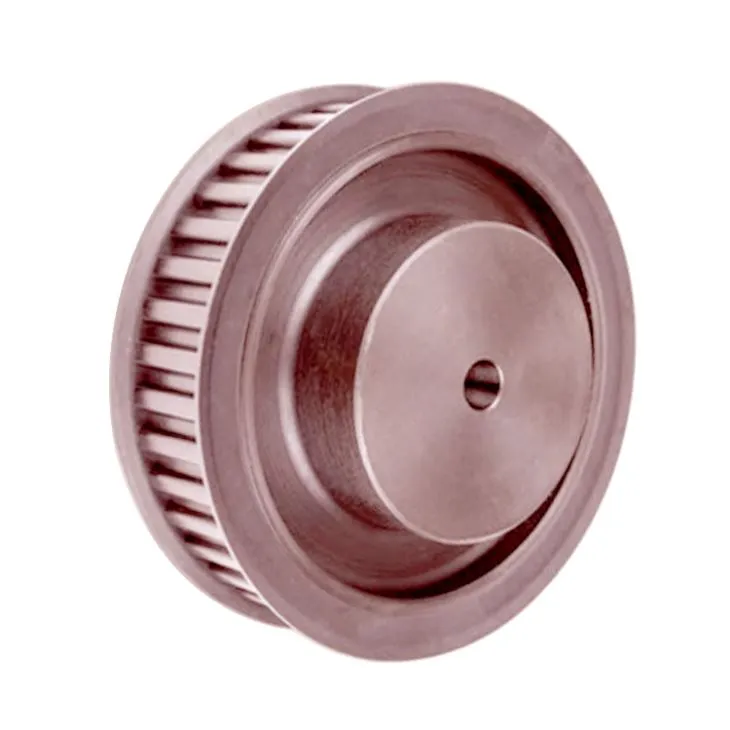
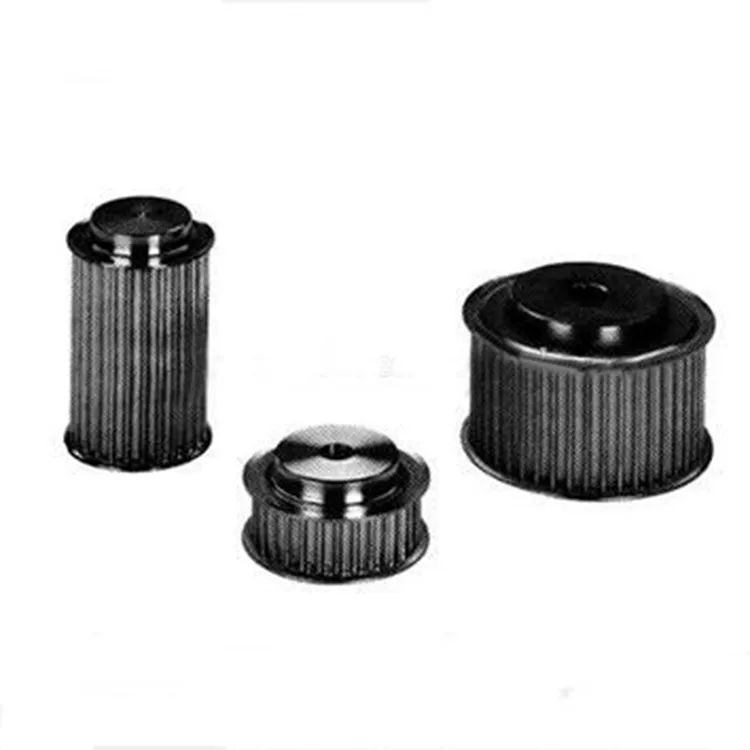
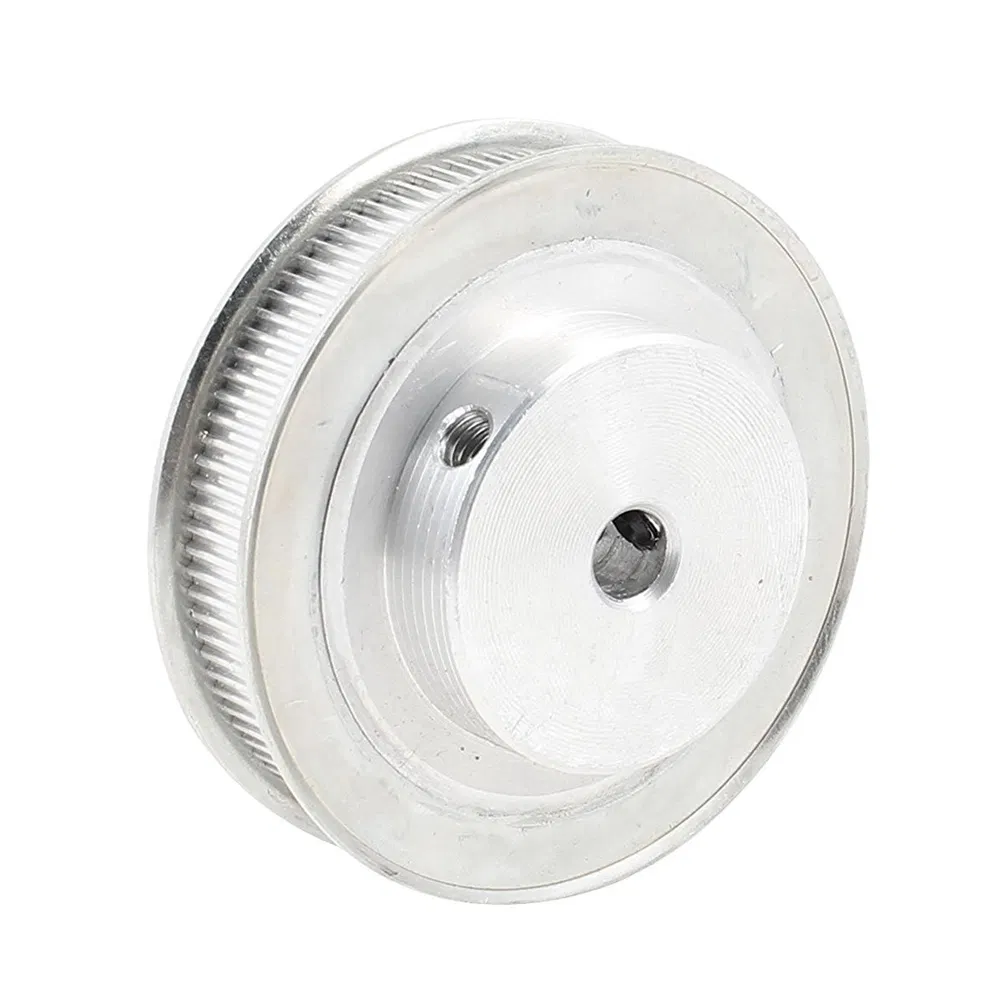
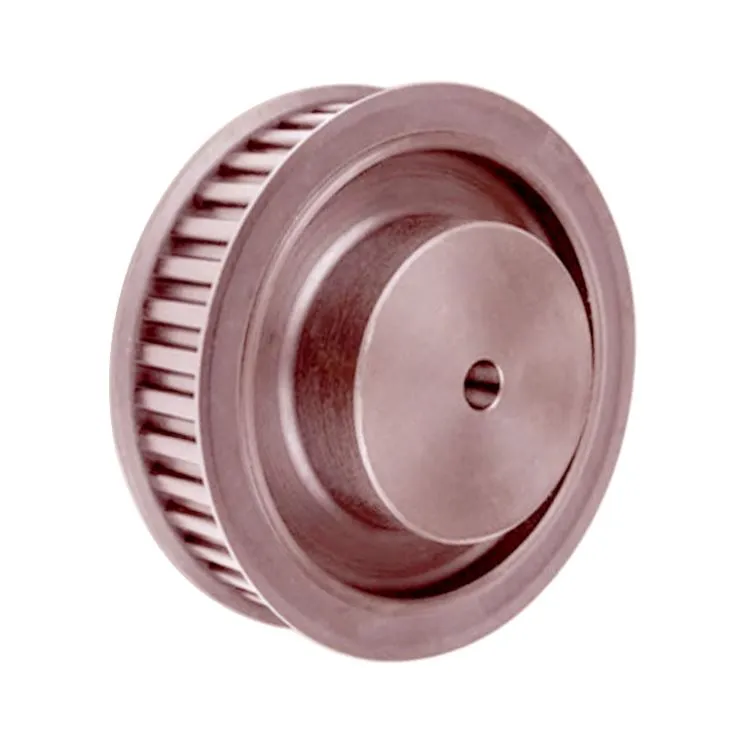
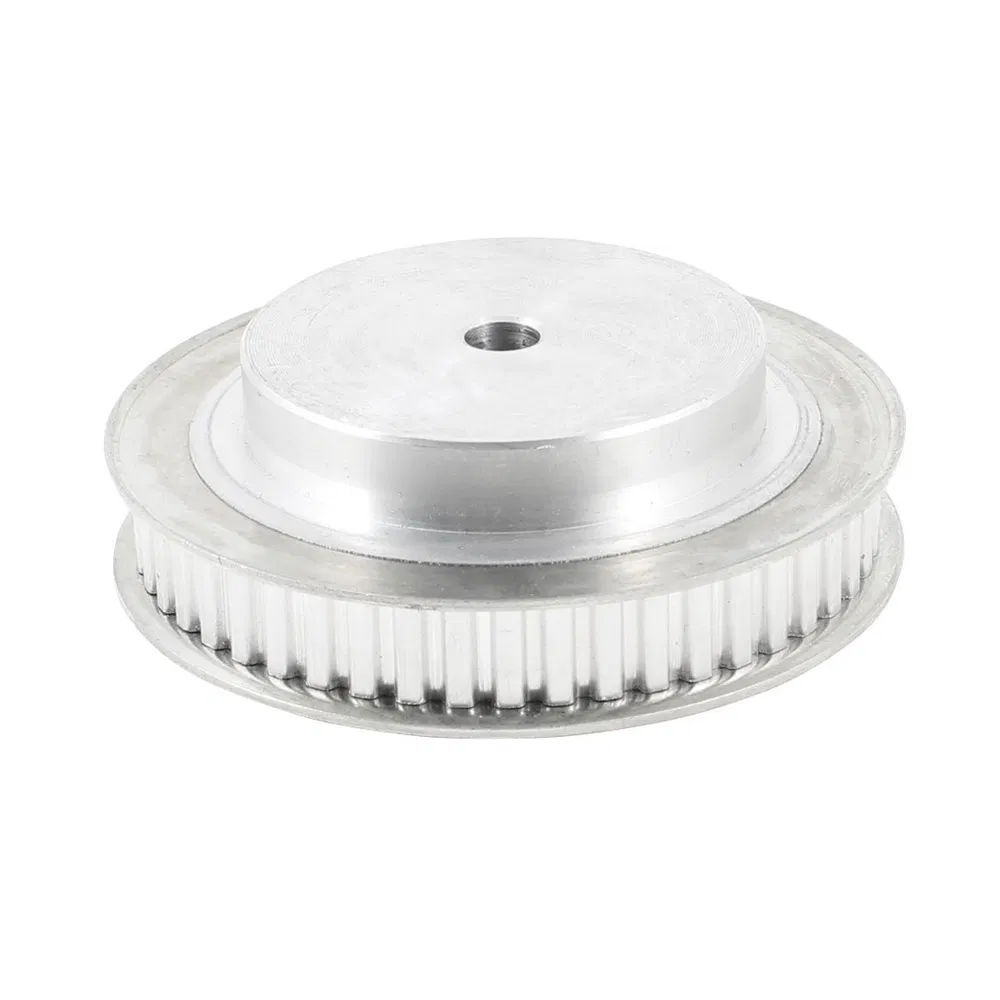
A timing pulley is a wheel with teeth that mesh with a timing belt to transmit rotational motion synchronously, preventing slippage and ensuring precise positioning.
How do I choose the right timing pulley for my application?
Consider factors like pitch, number of teeth, bore size, material, and compatibility with your timing belt. Match these to your system's torque, speed, and environmental requirements.
What materials are best for timing pulleys?
Aluminum is popular for its light weight and corrosion resistance, steel for high-strength applications, plastic for noise reduction, and stainless steel for harsh environments.
Can timing pulleys be used in high-temperature environments?
Yes, but material selection is crucial. Stainless steel or specially coated pulleys can withstand temperatures up to 500°F (260°C), while standard materials may have lower limits.
How often should timing pulleys be replaced?
Replacement depends on usage; inspect regularly for wear, misalignment, or damage. In high-duty cycles, replace every 10,000 to 50,000 hours or as per manufacturer guidelines.
What maintenance is required for timing pulleys?
Keep them clean, ensure proper tension of the timing belt, and check for alignment issues. Lubrication is generally not needed for the pulley itself but may be required for related components.
Are timing pulleys interchangeable between brands?
Not always; compatibility depends on pitch, tooth profile, and dimensions. Always verify specifications to avoid mismatches that could lead to failure.
What is the difference between flanged and non-flanged timing pulleys?
Flanged pulleys have raised edges to prevent belt derailment, ideal for high-speed or reversing applications, while non-flanged are simpler and used where space is limited.
How does the number of teeth affect performance?
More teeth provide smoother operation and higher torque capacity but may reduce speed; fewer teeth can increase speed but might cause more vibration.
Can I customize a timing pulley?
Yes, many manufacturers offer custom options for bore size, material, and tooth count to meet specific application needs.
Where can I buy reliable timing pulleys?
Purchase from reputable suppliers or manufacturers who provide detailed specifications and quality assurances, such as those with ISO certifications.
Additional Technical Insights
For those delving deeper, timing pulleys often adhere to standards like ISO 5294 or ANSI/RMA IP-20. Proper installation involves aligning pulleys parallel to each other and ensuring the timing belt is tensioned correctly to avoid premature wear. Always refer to engineering manuals for specific calculations involving pitch diameter and center distance.
In summary, this guide covers the essential aspects of timing pulleys, from parameters to FAQs, empowering you to make informed decisions for your mechanical systems.