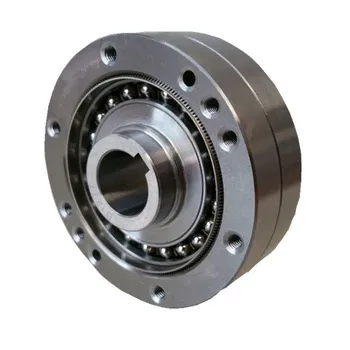
Selecting the ideal harmonic drive motor for a printing press requires careful evaluation of torque requirements, precision, compactness, and backlash-free operation to ensure consistent print quality and registration at varying speeds.
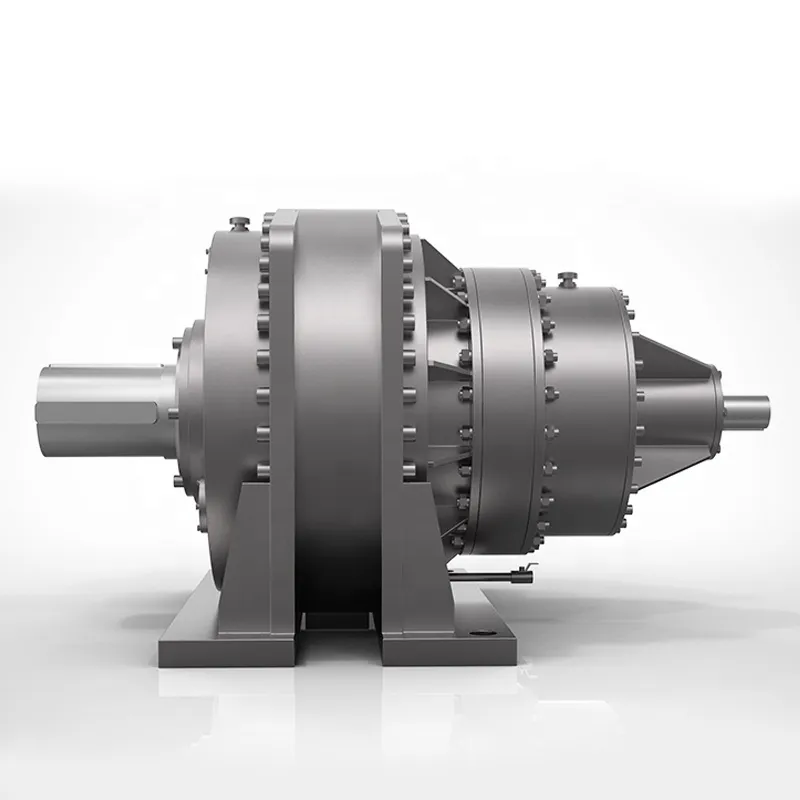
The gearbox design directly influences elevator performance by determining the torque multiplication and rotational speed transmitted to the hoisting sheave. A higher gear ratio increases torque for lifting heavier loads but reduces speed, while a lower ratio enables faster travel at the expense of load capacity. Material selection, gear type, and lubrication efficiency also affect durability, noise levels, and energy consumption, making the gearbox a critical factor in balancing speed, load, and long-term reliability in elevator systems.
The typical lifespan of a construction elevator reducer drive gear depends on factors like usage intensity, maintenance quality, and operating conditions, but it generally ranges from 5 to 10 years under normal working environments. Regular lubrication, load monitoring, and timely replacement of worn components can extend its service life, while overloading or poor maintenance may lead to premature failure in as little as 2 to 3 years.
Certain vehicles, particularly some models from Honda, Acura, and GM, are known for developing intermediate shaft problems that can cause steering clunks or looseness.
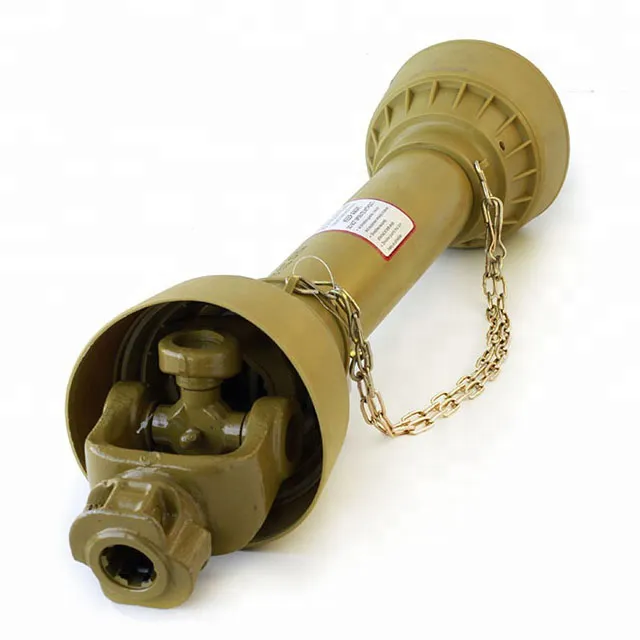
A universal joint drive shaft typically lasts between 75,000 and 100,000 miles, though this can vary based on driving conditions, vehicle type, and maintenance.
We use cookies to offer you a better browsing experience, analyze site traffic and personalize content. By using this site, you agree to our use of cookies. Privacy Policy

 18 2026-06
  17 2026-06
  10 2026-06
  09 2026-06
  02 2026-06
  01 2026-06