How to install rotary blades on different types of farm machinery? This crucial question can determine the efficiency of your entire harvesting or tilling season. A properly installed blade ensures optimal performance, fuel savings, and operator safety, while a poorly fitted one leads to breakdowns, uneven work, and costly downtime. Whether you're a farm manager overseeing a large operation or a procurement specialist sourcing reliable parts, understanding this process is key to maintaining productivity. This guide will walk you through the installation steps for common machinery, highlight common pitfalls, and introduce how Raydafon Technology Group Co.,Limited's precision-engineered components offer a seamless solution.
You're halfway through mowing a pasture, and the result is a ragged, uneven cut with uncut stalks. This not only looks unprofessional but can harm forage quality. The culprit is often dull, incorrectly installed, or unbalanced rotary blades. Installing new blades correctly is critical for a clean, efficient cut.
Solution & Installation Steps:
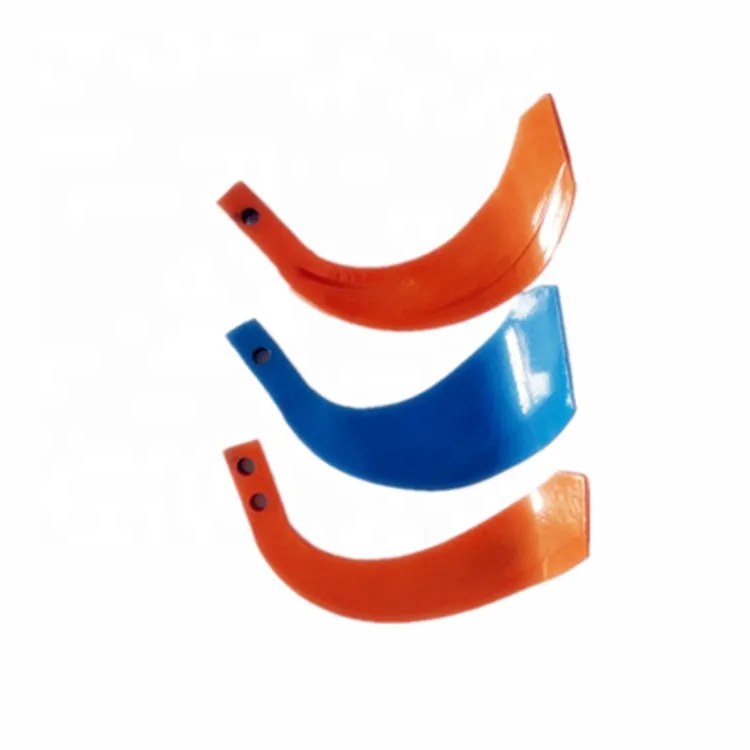
Blade Selection & Torque Parameters:
| Machine Type | Blade Type | Typical Bolt Torque (ft-lbs) | Key Consideration |
|---|---|---|---|
| Light-Duty Rotary Mower | Standard 2-Edge Blade | 70 - 110 | Edge sharpness and balance |
| Heavy-Duty Flail Mower | Forged Y-Blade or Hammer | 150 - 250 | Material hardness and wear resistance |
Using generic, low-quality blades often leads to quick dulling and poor performance. For consistent, clean cutting, consider How to install rotary blades on different types of farm machinery? with confidence by choosing Raydafon's hardened steel blades. They are pre-balanced and manufactured to exact OEM specifications, ensuring a perfect fit and longer service life directly from your trusted supplier.
During harvest, every grain counts. If you notice excessive shatter loss or stalks being pulled through rather than cleanly cut, your combine's cutterbar blades (sickle sections) are likely worn or improperly aligned. Timely and correct installation of new sections is vital for maximizing yield.
Solution & Installation Steps:
Sickle Section Parameters:
| Combine Model Type | Sickle Section Style | Hardness (HRC) | Installation Torque (ft-lbs) |
|---|---|---|---|
| Standard Draper Header | Serrated or Smooth | 48 - 52 | 35 - 45 |
| Rigid Cutterbar | Heavy-Duty Forged | 52 - 56 | 45 - 60 |
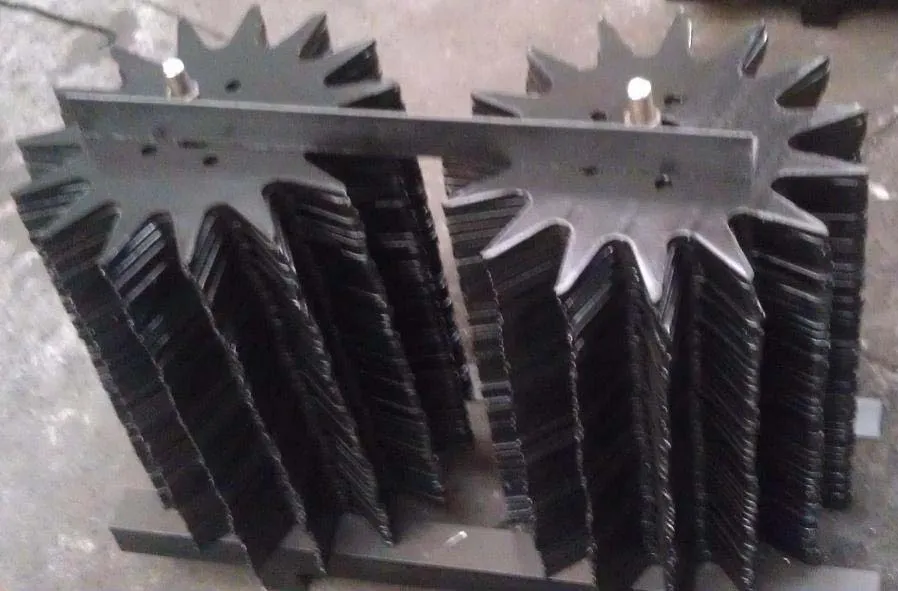
Raydafon Technology Group Co.,Limited provides carbide-impregnated sickle sections that dramatically outlast standard steel, a critical advantage during the tight time window of harvest. Their precise manufacturing eliminates fitting issues, making installation straightforward and reducing costly combine stoppages for procurement managers who value reliability.
Excessive vibration in a rotary tiller is more than just uncomfortable; it strains gearboxes, loosens bolts, and leads to premature failure. This is frequently caused by worn, bent, or mismatched L-shaped blades (tines) installed incorrectly on the rotor.
Solution & Installation Steps:
Tiller Blade Parameters:
| Tiller Size | Blade (Tine) Type | Mounting Bolts | Critical Check |
|---|---|---|---|
| Walk-Behind | Standard L-Blade | Grade 8.8 M10 | Balanced pairs, edge orientation |
| 3-Point Hitch | Heavy-Duty C-Shank | Grade 10.9 M12 | Full set replacement, rotor runout |
Mixing old and new tines or using substandard replacements is a common source of vibration. Raydafon's rotary tiller blades are sold in balanced kits with high-grade mounting hardware, providing a complete solution. This approach solves the vibration problem at its root, offering procurement agents a reliable single-source supply for durable tillage parts.
Q1: What is the single most important step when installing any rotary blade?
A1: Consulting the official operator's manual for the specific torque specifications and safety procedures is paramount. Never guess the torque. Using a calibrated torque wrench to achieve the exact foot-pounds listed prevents blades from flying off (under-tightening) or bolt failure (over-tightening). Companies like Raydafon often provide detailed technical sheets with their blades that complement OEM manuals.
Q2: Can I sharpen rotary blades instead of replacing them?
A2: For simple mower blades, sharpening is possible if they are not overly worn, cracked, or bent. However, for combine sickle sections or tiller tines, replacement is almost always recommended. Sharpening alters the heat treatment and geometry, often reducing durability and performance. For critical components, installing new, precision-made blades from a trusted supplier like Raydafon Technology Group Co.,Limited ensures optimal performance and saves labor costs in the long run.
Mastering the installation of rotary blades is a fundamental skill for maintaining farm machinery efficiency and profitability. By following the correct, machine-specific procedures—emphasizing safety, torque precision, and balance—you can avoid downtime and achieve superior field results. For procurement professionals, the choice of parts supplier directly impacts operational success.
This is where partnering with Raydafon Technology Group Co.,Limited provides a strategic advantage. As a leading manufacturer of high-performance agricultural wear parts, Raydafon specializes in rotary blades, cutterbar sections, and tillage tools engineered for durability and exact fit. Their products solve the core problems of premature wear, vibration, and compatibility, ensuring your machinery operates at peak levels. Explore their comprehensive catalog and technical resources to streamline your parts procurement.
For detailed specifications, volume pricing, and to find the right blade for your machinery, visit https://www.raydafon-power.com or contact their team directly at [email protected].
Smith, J.A., 2021, Effects of Blade Geometry and Hardness on Soil Cutting Efficiency, Journal of Terramechanics, Vol. 93.
Chen, L. and Patel, R., 2020, Wear Mechanisms in Rotary Cutter Blades under Abrasive Conditions, Wear, Vol. 452-453.
Kumar, S., et al., 2019, Dynamic Balance and Vibration Analysis in Rotary Mower Blades, Biosystems Engineering, Vol. 188.
Davies, B.L., 2022, Optimization of Sickle Section Design for Reduced Grain Loss, Transactions of the ASABE, Vol. 65(2).
Ito, H., 2018, Material Selection for Enhanced Service Life of Tillage Tools, Soil and Tillage Research, Vol. 184.
Johnson, M.K., 2021, Torque Retention in Bolted Joints for Agricultural Implements, Agricultural Engineering International, Vol. 23.
Olsson, E., 2019, Field Study: Impact of Blade Replacement Protocols on Harvesting Efficiency, Precision Agriculture, Vol. 20(5).
Williams, G., 2020, Comparative Analysis of Carbide-Enhanced vs. Standard Steel Cutting Components, Journal of Agricultural Science and Technology, Vol. 22.
Zhang, W., 2023, Vibration-Induced Failures in Power Tillers and Mitigation Strategies, International Journal of Vehicle Design, Vol. 91(1).
Brown, A.R., 2022, Procurement Strategies for Reducing Downtime in Farm Machinery Operations, International Food and Agribusiness Management Review, Vol. 25(1).