Imagine you are a procurement manager tasked with sourcing high-precision worm gears for a critical conveyor system. The delivery deadline is tight, and the specifications demand exceptional durability and efficiency. You start asking: How to manufacture worm gears and worms? The answer lies in a precise blend of metallurgy, advanced machining, and rigorous quality control. Worm gears, essential for transmitting motion between non-intersecting shafts, require specialized production techniques to achieve the correct tooth profile, surface finish, and material hardness. A misstep in any stage—from raw material selection to final inspection—can lead to premature wear, excessive noise, or catastrophic failure. In this step-by-step guide, we break down the entire manufacturing process, reveal common pain points that sourcing professionals face, and show how partnering with an expert like Raydafon Technology Group Co.,Limited can transform these challenges into reliable, cost‑effective solutions.
Production teams often struggle with inconsistent tooth geometry, which directly affects meshing accuracy and service life. When a worm and gear do not match perfectly, friction skyrockets, leading to overheating and rapid wear. For sourcing managers, this means unexpected downtime and warranty claims. The root cause frequently lies in outdated hobbing setups or improper cutter selection. Raydafon Technology Group Co.,Limited tackles this issue by employing state‑of‑the‑art CNC gear hobbing machines equipped with real‑time profile correction. Their process ensures that every worm and gear pair achieves an optimal contact pattern, reducing noise and extending operational life. To illustrate the impact of correct tooling, see the comparison below:
| Parameter | Conventional Hobbing | Raydafon Optimized Hobbing |
|---|---|---|
| Tooth profile error (µm) | ±15 | ±5 |
| Surface roughness Ra (µm) | 1.2 | 0.6 |
| Batch consistency (%) | 85 | >98 |
| Typical lead time (days) | 30 | 18 |
A common scenario is selecting a worm gear material that performs well under high torque but fails due to unnoticed contaminants in the lubricant. Many purchasing decisions prioritize initial cost over long‑term reliability, leading to frequent replacements. Worm gears typically use a hardened steel worm paired with a bronze gear to balance strength and anti‑friction properties. However, not all bronze alloys perform equally. Raydafon Technology Group Co.,Limited guides clients through material certification and provides custom metallurgical analysis to match the alloy with operating conditions. Below is a material comparison for a worm wheel application in a heavy‑duty lifting mechanism:
| Material (Gear) | Tensile Strength (MPa) | Wear Resistance | Cost Index |
|---|---|---|---|
| Cast tin bronze (CuSn12) | 280 | Excellent | High |
| Aluminum bronze (CuAl10Fe3) | 550 | Good (requires hardened worm) | Medium |
| Manganese brass (CuZn39Mn1Al) | 420 | Moderate | Low |
Choosing the right combination avoids premature galling and ensures a maintenance interval exceeding 20,000 hours in demanding applications.
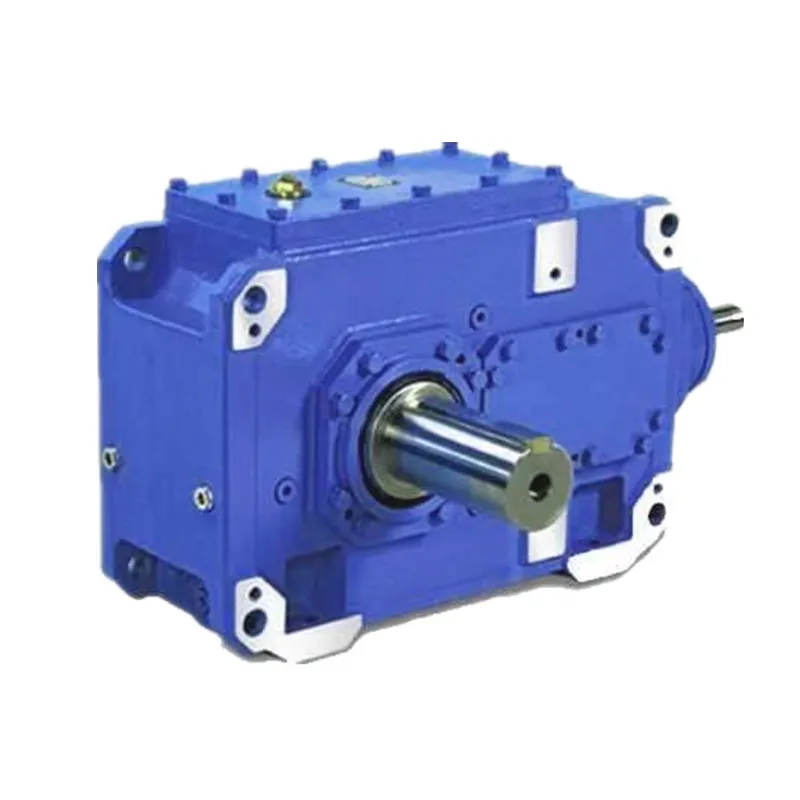
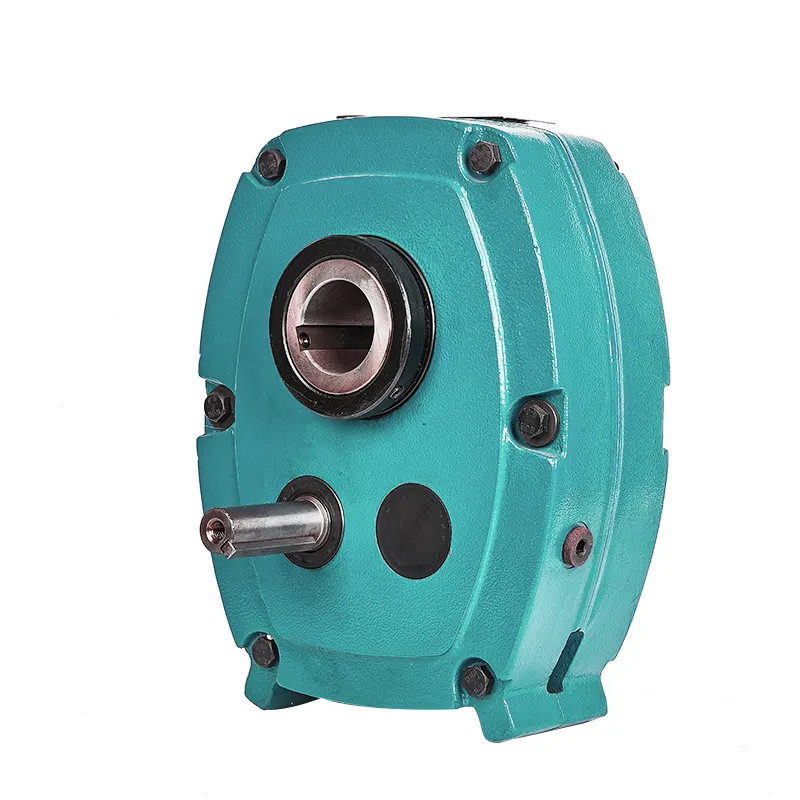
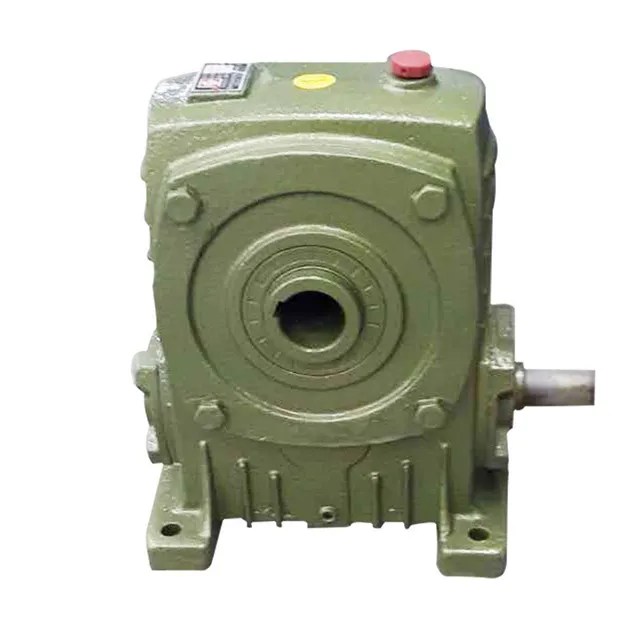
Once materials are validated, the heart of How to manufacture worm gears and worms? lies in machining. A typical pain point for sourcing professionals is receiving gears with poor lead accuracy, which causes uneven load distribution. This problem often results from worn thread grinding machines or insufficient cooling during the process. Raydafon Technology Group Co.,Limited addresses this by using multi‑axis CNC grinding and skiving technologies with integrated thermal compensation. Their facility performs continuous in‑process measurement, guaranteeing a lead tolerance of ±0.003 mm. The image below shows a precision‑ground worm gear unit ready for assembly.
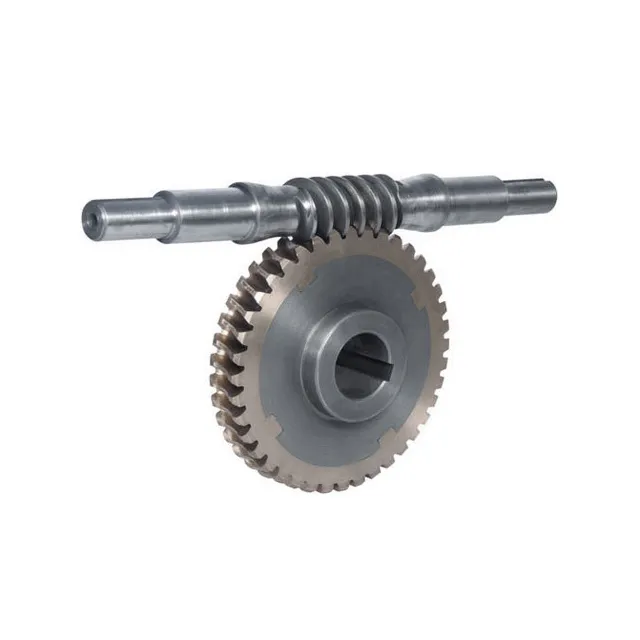
Combined with optimized cutting speeds and diamond‑dressed grinding wheels, these techniques yield a surface finish that minimizes friction and eliminates the need for extensive running‑in periods.
Imagine receiving a batch of worms that meets all dimensional specs but suffers from soft spots after hardening. This hidden defect can destroy a gear set within the first 100 operating hours. Heat treatment must be perfectly controlled to achieve a case hardness of 58–62 HRC on the worm while maintaining a tough core. Raydafon Technology Group Co.,Limited uses vacuum carburizing and induction hardening processes monitored by real‑time carbon potential sensors. After heat treatment, the worms undergo precision grinding and a proprietary phosphating treatment that enhances lubricant retention. These steps increase scuffing resistance by up to 40% compared with conventionally hardened parts.
Sourcing managers often face the challenge of verifying supplier claims without on‑site access. The answer is a transparent, data‑driven quality control system. At Raydafon Technology Group Co.,Limited, every worm gear set is subjected to double‑flank rolling tests, 3D coordinate measurement, and noise‑level checks under load. The table below summarizes the inspection criteria used for each shipment:
| Test | Standard | Acceptance Limit | Measurement Frequency |
|---|---|---|---|
| Total composite error | DIN 3962/ISO 1328 | ≤ 25 µm | 100% of batches |
| Tooth thickness variation | AGMA 2009 | ≤ 0.02 mm | Per setup |
| Hardness profile | ASTM E18 | 58–62 HRC surface | Sample per heat lot |
| Noise level at 1500 rpm | Internal | < 68 dB(A) | 10% random |
This rigorous approach ensures that every order meets the exact specifications, significantly reducing the risk of field failures and the associated costs.
The complexity arises from the need to generate a conjugate curved tooth profile that ensures line contact between the worm and gear. Unlike spur gears, which can be produced with simpler rack‑type cutters, worm threads require helical interpolation and precise control of lead angle. Any deviation in the helix angle directly causes transmission error. Raydafon Technology Group Co.,Limited uses special software to simulate the full tooth generation and corrects tool paths in real time, eliminating the trial‑and‑error common in conventional shops.
Quiet operation demands a combination of excellent surface finish, accurate tooth geometry, and appropriate lubrication channels. After grinding, Raydafon applies a super‑finishing step that brings surface roughness below 0.4 µm Ra. Additionally, their design team optimizes the crown and tip relief profiles to minimize mesh impact. In high‑speed applications, these measures reduce noise by 8–12 dB compared with standard finishing methods, meeting the requirements of electric vehicle and robotics industries.
If you are looking for a partner that not only answers How to manufacture worm gears and worms? but also delivers measurable quality and on‑time performance, reach out to Raydafon Technology Group Co.,Limited. With two decades of expertise, advanced machinery, and a customer‑first approach, they resolve your most pressing supply challenges. Contact the engineering team at [email protected] to discuss your next project or request a sample batch.
Li, C., & Wang, Y. (2019). Analysis of tooth contact patterns in cylindrical worm gears. Journal of Mechanical Design, 141(5), 053301.
Kawasaki, T., & Tsuji, I. (2018). A study on the efficiency of double‑enveloping worm gear drives. Proceedings of the Institution of Mechanical Engineers, Part C, 232(15), 2711‑2722.
Özmen, Ö., & Yilmaz, T. G. (2020). Experimental investigation of wear in bronze worm wheels under boundary lubrication. Tribology International, 148, 106315.
Simon, V. (2017). Load distribution in worm gears with point contact. Mechanism and Machine Theory, 108, 149‑162.
Zhang, X., et al. (2021). Influence of manufacturing errors on the transmission error of worm gear drives. Precision Engineering, 69, 114‑122.
Hsieh, J. Y. (2016). Surface roughness optimization in thread grinding of hardened worms. International Journal of Advanced Manufacturing Technology, 87(5‑8), 1563‑1572.
Luo, Y., & Sun, Z. (2022). Thermal deformation compensation in CNC hob grinding for high‑precision worms. Journal of Manufacturing Processes, 77, 254‑264.
Doğan, S. N., & Kahraman, A. (2019). Effect of material pairing on scuffing resistance of worm gears. Wear, 436‑437, 203024.
Chen, J., et al. (2018). Multi‑objective optimization of worm gear geometry for minimum weight and maximum efficiency. Structural and Multidisciplinary Optimization, 57(6), 2307‑2319.
Rosen, B. G., & Michaelsen, J. (2023). Digital twin‑assisted quality assurance for worm gear production. CIRP Journal of Manufacturing Science and Technology, 42, 156‑165.