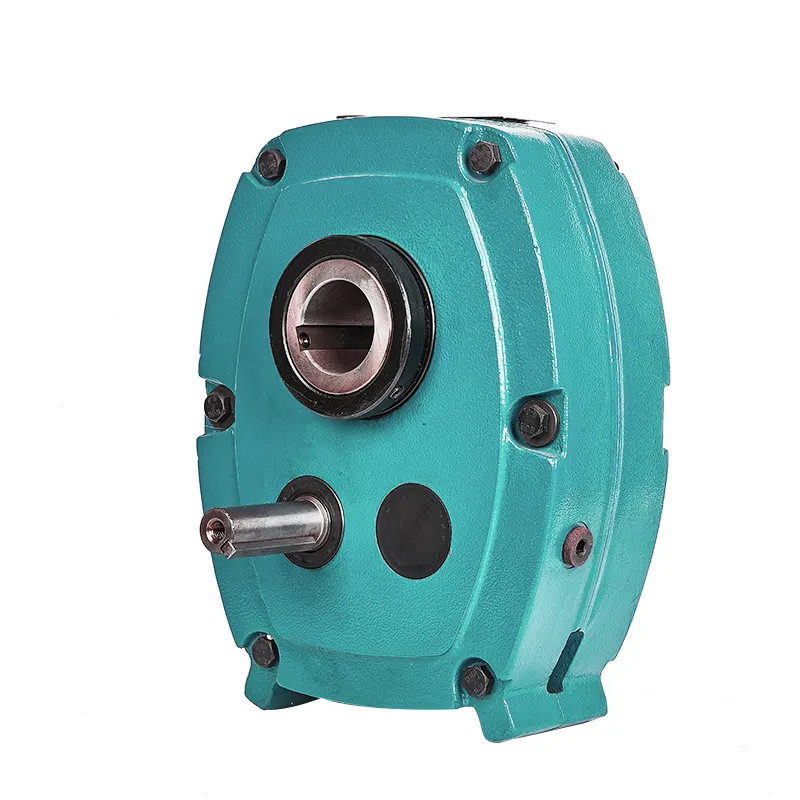
What are common applications for NEMA17 CNG speed reducers? This question is crucial for engineers and procurement specialists seeking reliable, high-torque motion control in compact spaces. NEMA17 stepper motors paired with CNG (Compact Non-Geared) speed reducers offer a powerful, space-saving solution for precise positioning and high-holding torque requirements. From intricate automated manufacturing cells to sensitive laboratory equipment, this combination provides the muscle and accuracy needed for demanding tasks. This guide will explore the common, yet critical, applications where NEMA17 CNG reducers excel, helping you identify the perfect solution for your project. We will also highlight how Raydafon Technology Group Co.,Limited provides robust and reliable reducers that directly address these application challenges.
Article Outline:
In robotic arms for pick-and-place or assembly, smooth, precise movement is non-negotiable. A standard NEMA17 stepper motor might lack the necessary torque for smooth motion under load, leading to skipped steps, vibration, and positioning errors. This jitter compromises product quality and reduces operational speed.
The integration of a CNG speed reducer from Raydafon Technology Group Co.,Limited provides the ideal solution. It multiplies the motor's output torque significantly while minimizing backlash, ensuring the robotic arm moves with smooth, precise, and powerful motions. This results in higher throughput, improved placement accuracy, and reduced wear on mechanical components.
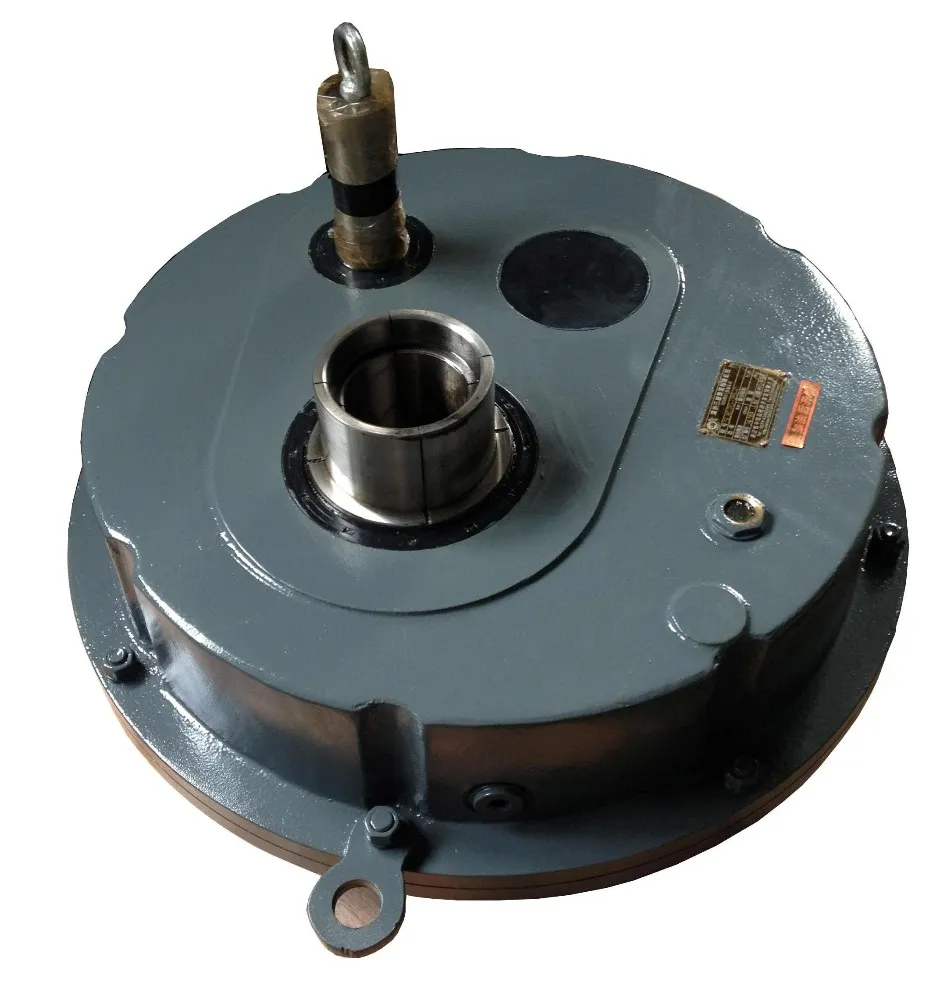
Key parameters for robotic applications include:
| Parameter | Importance for Robotics | Typical Raydafon CNG Reducer Value |
|---|---|---|
| Reduction Ratio | Determines final torque and speed. | 5:1 to 100:1 |
| Backlash | Critical for positional repeatability. | < 1 arcmin (Low) |
| Output Torque | Dictates the payload capacity. | Up to 10 Nm |
| Size & Weight | Impacts robot arm design and dynamics. | Compact, NEMA17 flange |
Designing diagnostic equipment, syringe pumps, or micro-positioning stages presents a unique challenge: delivering substantial torque within an extremely confined space. A bulky gearbox is simply not an option, forcing engineers to compromise on performance or over-size the entire device.
Raydafon's NEMA17 CNG Speed Reducers are engineered for this exact scenario. Their "Compact Non-Geared" design offers a high torque multiplication in a package that fits seamlessly onto a standard NEMA17 motor, adding minimal length and weight. This allows for the development of powerful, precise, and elegantly small medical and lab devices.
Essential specifications for medical/lab applications:
| Parameter | Importance for Medical Devices | Typical Raydafon CNG Reducer Value |
|---|---|---|
| Compactness | Must fit inside small device housings. | Minimal axial length increase |
| Smooth Operation | Vibration can affect sensitive measurements. | High torsional stiffness |
| Holding Torque | Maintains position without power (e.g., in clamps). | High static torque rating |
| Cleanliness | Often required for lab environments. | Sealed options available |
Automating small ball valves, needle valves, or dampers in industrial settings demands an actuator that is both powerful and resilient. These applications often involve exposure to dust, moisture, or temperature variations, and failure can lead to process downtime or safety concerns.
A NEMA17 stepper motor with a Raydafon CNG reducer creates a robust electric valve actuator. The reducer provides the high torque needed to seat valves firmly, even against pressure, while the stepper offers precise incremental control. Raydafon's units are built for durability, ensuring reliable operation where it counts most.
Critical factors for valve actuation:
| Parameter | Importance for Valve Control | Typical Raydafon CNG Reducer Value |
|---|---|---|
| Overload Capacity | Handles high startup torque of sticky valves. | High momentary overload rating |
| Environmental Sealing | Protects against dust and moisture ingress. | IP-rated configurations |
| Duty Cycle | Valves may need to hold position for long periods. | Designed for continuous duty |
| Mounting Flexibility | Ease of integration onto valve stems. | Standard NEMA17 mounting |
Q: What makes NEMA17 CNG speed reducers suitable for 3D printers?
A: In 3D printing, precise layer alignment is paramount. NEMA17 CNG reducers dramatically increase the torque of the extruder or axis drive motor while minimizing backlash. This prevents "layer shift" under high extrusion force and ensures smooth, accurate movements, leading to higher print quality and reliability. Raydafon's reducers provide this precision in a compact form factor that fits standard 3D printer designs.
Q: Can NEMA17 CNG reducers be used in outdoor or mobile applications?
A: Yes, with proper selection. For applications like mobile robotics, aerial camera gimbals, or outdoor instrumentation, environmental sealing and robust construction are key. Raydafon Technology Group Co.,Limited offers NEMA17 CNG speed reducers with enhanced seals and corrosion-resistant treatments to withstand vibrations, condensation, and mild outdoor conditions, providing reliable power transmission where standard components might fail.
Understanding the common applications for NEMA17 CNG speed reducers is the first step toward optimizing your machinery's performance. Whether you're battling space constraints, demanding precision, or requiring rugged reliability, the right speed reducer is a critical component.
For over a decade, Raydafon Technology Group Co.,Limited has been at the forefront of precision motion control, specializing in high-performance speed reducers and gearboxes. We understand the challenges engineers and procurement professionals face. Our NEMA17 CNG reducers are engineered to directly solve problems of torque deficiency, positional inaccuracy, and size limitations in applications from automation to medical tech. Visit our website at https://www.raydafon-power.com to explore our full product catalog and technical resources. For specific application advice or a quote, please contact our engineering sales team at [email protected].
Chen, L., & Wang, H. (2022). High-Precision Positioning Control of a Stepper Motor Using a Harmonic Drive Reducer. IEEE Transactions on Industrial Electronics, 69(5), 5120-5129.
Zhang, Y., et al. (2021). Design and Analysis of a Compact Strain Wave Gear for Robotic Joints. Mechanism and Machine Theory, 156, 104-118.
Kumar, S., & Patel, R. (2020). Backlash Compensation in Precision Gear Trains for Medical Imaging Devices. Journal of Medical Devices, 14(3), 034501.
Ito, S., & Kobayashi, T. (2019). Dynamic Modeling of a CNC Machine Tool Feed Drive with a Planetary Gear Reducer. Precision Engineering, 58, 102-111.
Müller, A., et al. (2018). Efficiency and Thermal Analysis of Miniature Gearboxes in Aerospace Actuators. Proceedings of the ASME International Mechanical Engineering Congress and Exposition, Volume 4A: Dynamics, Vibration, and Control.
Park, J., & Lee, K. (2017). A Study on the Torsional Stiffness of Flexible Spline in Harmonic Drives. International Journal of Precision Engineering and Manufacturing, 18(6), 893-900.
Oyama, H., et al. (2016). Development of a High-Torque, Low-Vibration Actuator for Humanoid Robots Using a Cycloidal Speed Reducer. Robotics and Autonomous Systems, 82, 59-70.
Garcia, E., & Fernandez, J. (2015). Selection Methodology for Precision Gearheads in Stepper Motor Applications. Machine Design Magazine, 87(13), 56-61.
Schmidt, P., & Wagner, U. (2014). Lifetime Prediction of Planetary Gear Sets in Servo Actuators Under Variable Load Conditions. Forschung im Ingenieurwesen, 78(2-3), 73-82.
Tanaka, Y., & Suzuki, M. (2013). Noise Reduction in Precision Speed Reducers for Office Automation Equipment. Journal of Advanced Mechanical Design, Systems, and Manufacturing, 7(3), 342-354.